
A renter in Orlando starts filling out a rental application on a property management website. Her browser shows a “Not secure” warning next to the address bar. She stops, wonders whether her Social Security number is safe, and applies with a different company.
Property managers and real estate offices collect sensitive information online: applications, payment details, and contact data. Visitors look for signs that a website is safe before they share anything.
Secure the Basics
Make sure your entire website uses HTTPS, which encrypts data between the visitor and your site. Chrome and other browsers warn users about pages that are not secure. Most hosting providers offer SSL certificates, often at no extra cost.
Use reputable, secure platforms for rental applications and online payments rather than plain email forms. Keep your website software, plugins, and themes updated, since outdated software is a common security risk. Use strong passwords and two-step verification for your website and payment accounts.
Be Clear About Privacy
Publish a privacy policy that explains what information you collect, why, how you protect it, and who you share it with, such as screening services. Some state laws require privacy policies for websites that collect personal information. California’s Online Privacy Protection Act, for example, applies to sites collecting data from California residents.
Link your privacy policy from your footer and every form. If you use cookies or tracking tools, explain them. Clear privacy information reassures tenants and owners that you handle their data responsibly.
Show That Real People Run the Business
List your office address, phone number, email, and business hours on every page. Include your real estate or property management license information where required. An about page with team names and photos helps visitors see the people behind the business. Add a short note explaining how tenants can verify that emails or texts truly come from your office, especially payment requests or changes to payment instructions.
Consistent details elsewhere confirm you are legitimate. Property businesses listed in the Real Estate and Property category on Family Friendly Sites should match their address, phone, and license details to their website. A matching Family Friendly Sites listing gives cautious renters and owners another way to verify your company.
Earn Trust Before Asking for Information
Visitors share sensitive information only when your website looks safe and legitimate. Use HTTPS everywhere, choose secure application and payment tools, publish a clear privacy policy, and show real contact and license details. Consistent information on directories like Family Friendly Sites helps renters and owners verify your business.
Frequently Asked Questions
Why does my website say Not secure?
Browsers show that warning when a page loads over HTTP instead of HTTPS. It means data is not encrypted between the visitor and your site. Install an SSL certificate through your hosting provider and redirect all pages to HTTPS to fix it.
Does a small property management company need a privacy policy?
If your website collects personal information, a privacy policy is a good practice and may be legally required depending on where your visitors live. Laws like California's CalOPPA apply to many sites. Have a professional review your policy if you collect sensitive data. Review the policy each year.
Is it safe to accept rental applications by email?
Email is often not secure for sensitive information like Social Security numbers or bank details. Use a reputable online application or tenant screening platform with secure data handling. Explain on your website how applicants can submit information safely. Delete sensitive emails you no longer need.
Should I display my license number on my website?
Many states require real estate brokers and some property managers to display license information in advertising, which can include websites. Check your state's licensing rules. Displaying your license also
Keep reading
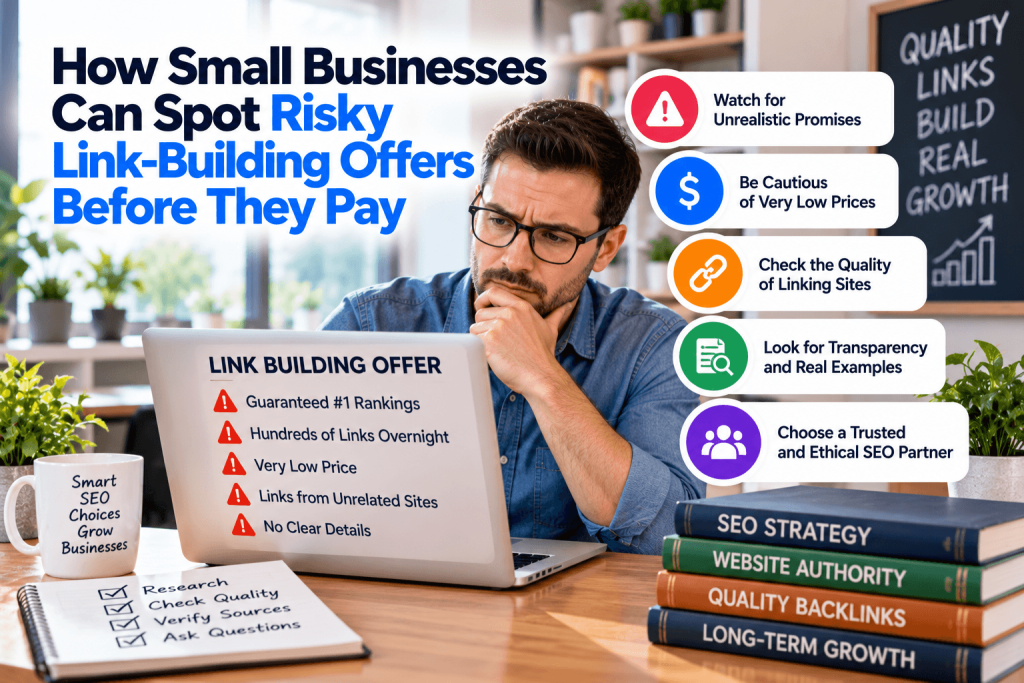
How Small Businesses Can Spot Risky Link-Building Offers Before They Pay
A dental office manager in Tucson receives an email offering “500 high-authority backlinks” for $99, with guaranteed first-page rankings in 30 days. Another vendor...
Read article
How Home Improvement Companies Can Build a Simple Customer Referral Program
A gutter and window company in Cincinnati notices that many new customers say, “My neighbor used you last fall.” Those referrals close quickly and...
Read article